


Prefabricated Homes Australia: Eco-Friendly & Affordable
Prefabricated homes are one of the fastest-growing housing solutions in Australia, offering an affordable, eco-friendly alternative to traditional construction. Whether you’re looking to downsize, add a secondary dwelling, or build a full family home, prefab homes deliver quality and speed without the cost blowout of a conventional build. And while they might seem like a modern concept, prefabricated homes have actually been around for centuries.
What Are Prefabricated Homes?
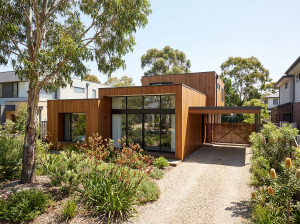
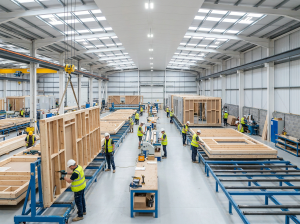
Prefab homes are dwellings built in sections inside a factory, then transported and assembled on site. Rather than constructing everything from scratch on your land, all the key components, rooms, walls, floors, ceilings, are manufactured off site to precise specifications, then delivered ready to install.
Despite being more affordable than traditionally built homes, prefabricated homes are just as structurally sound. Advances in materials and manufacturing technology mean today’s prefab homes are high-quality, well-insulated, and highly customisable.
A Brief History of Prefabricated Homes in Australia
Pre-made housing has existed since the 1600s, when colonial settlers transported ready-made house components to new settlements. By the 19th and 20th centuries, kit homes were being sold through catalogues across Australia and beyond.
Demand surged after World War II, when fast, cost-effective housing solutions were needed urgently. In Australia, this era saw a significant rise in prefab construction, particularly for government housing projects. Today, improved materials, smarter design software, and a growing focus on sustainability have made prefabricated homes more appealing than ever.
How Are Prefabricated Homes Designed and Built?
The process typically follows four stages:
- Design — Structural and architectural plans are developed, often using 3D modelling software to give buyers a clear picture before construction begins
- Manufacturing — Components including beams, walls, floors, and ceilings are built inside a controlled factory environment
- Delivery and assembly — Parts are transported to the site and assembled by a construction crew
- Completion — Final finishes are applied on site, including plumbing, electrical, painting, and flooring
Because most of the work happens in a factory, the on-site phase is significantly shorter than a traditional build, reducing both construction time and labour costs.
Key Materials Used in Prefab Construction
Material selection plays a major role in the quality, sustainability, and energy efficiency of a prefabricated home. The most commonly used materials include:
- Timber — Versatile, lightweight, and an excellent natural insulator. Used for framing, walls, cladding, and flooring
- Steel — Structurally strong and highly durable. Common in larger or multi-storey prefab designs, and fully recyclable
- Precast concrete — Used for foundations, walls, and floors due to its strength and weather resistance
- Structural Insulated Panels (SIPs) — Fast to assemble and highly energy efficient, making them a popular choice for sustainable prefab homes in Australia
- Glass and aluminium — Used for windows, doors, and facades to maximise natural light and achieve a modern aesthetic
- Insulation materials — Including mineral wool, fiberglass, and recycled cotton, all of which contribute to a comfortable, energy-efficient interior.
The Main Advantages of Prefabricated Homes
Prefab homes offer several clear advantages over traditional construction:
- Cost certainty — Fixed pricing and factory-controlled production reduce the risk of budget overruns
- Faster build times — Because factory work and site preparation happen simultaneously, overall project timelines are significantly shorter
- Quality control — Factory manufacturing ensures consistent precision that is difficult to replicate on a traditional building site
- Sustainability — Reduced material waste, better insulation, and energy-efficient design make prefab homes a genuinely greener option
- High customisation — Many Australian builders offer a wide range of layouts, finishes, and configurations to suit different budgets and lifestyles
- Durability — Prefab components are built to withstand transportation and installation, meaning they’re often more robust than materials left exposed on a traditional site
What to Consider Before Buying a Prefab Home in Australia
Before committing to a prefabricated home, there are several important factors to work through:
- Council and planning approval — In Australia, prefab homes are subject to local council regulations, zoning laws, and state building codes. Requirements vary significantly between councils and states, so it pays to research your specific location early
- Site preparation costs — Foundation work, service connections, and land clearing are additional costs on top of the home’s base price
- Delivery logistics — Transportation costs depend on the distance from the factory to your site, and access constraints can affect both cost and feasibility
- Finance and insurance — Some Australian lenders treat prefab homes differently to traditional builds. It’s worth speaking with a broker experienced in prefab or modular lending before you commit
- Builder reputation — Review builder profiles, completed projects, and customer feedback carefully before selecting a supplier

Types of Prefabricated Homes Available in Australia
The prefab category covers a wide range of home types:
- Modular homes — Built in separate modules and assembled on site. Highly customisable and one of the most popular prefab options in Australia
- Kit homes — Supplied as a complete kit of materials for owner-builders or contractors to assemble
- Panelised homes — Walls, floors, and roof panels are pre-built in the factory, with final assembly completed on site
- Manufactured homes — Completed in the factory and delivered in near-final condition, requiring minimal on-site work
- Tiny homes — Compact, efficient, and increasingly popular as granny flats, holiday accommodation, or downsizer options
- Container homes — Repurposed shipping containers converted into durable, modern living spaces
- CLT homes — Built using cross-laminated timber, offering a sustainable, structurally strong alternative with a distinctive aesthetic
FAQs
Do prefabricated homes need council approval in Australia? Yes. In Australia, prefabricated homes are subject to local council approval, zoning regulations, and state building codes. Requirements vary depending on your location, so it’s important to check with your local council before purchasing.
How customisable are prefabricated homes? Today’s prefab homes are highly customisable. Many Australian builders offer a broad range of floor plans, finishes, and configurations. Some work from standard designs while others offer fully bespoke options, so it’s worth comparing builders carefully.
How durable are prefabricated homes? Prefab homes are built to last as long as, or longer than, traditionally constructed homes. Factory manufacturing protects components from weather damage during the build phase, and all modules are engineered to handle transportation and assembly stress.
How do I maintain a prefabricated home? Maintenance is similar to any other home. Regular roof inspections, gutter cleaning, exterior repainting, and servicing of mechanical systems will keep your prefab home in good condition long term. Follow the maintenance guidelines provided by your builder.
What’s the difference between prefab and modular homes? Modular homes are a specific type of prefabricated home. The broader “prefab” category also includes kit homes, panelised structures, tiny homes, container homes, and more. The key difference is in how and where the components are manufactured and how they’re assembled on site.
Ready to Find a Prefab Builder in Australia?
Prefabricated homes represent a practical, sustainable, and increasingly affordable path to home ownership in Australia. As more Australians look for smarter alternatives to traditional construction, prefab is quickly becoming the go-to choice for families, investors, and downsizers alike.
Browse our directory of prefab home builders across Australia to compare designs, costs, and builder profiles.
